
When paint projects or industrial activities go wrong, the resulting airborne contaminants—known as overspray—can travel for miles. Since 1982, Nationwide Overspray has been the industry authority in remediating these complex claims.
As an ISO 9001:2015 Certified company, we have processed over 400,000 claims, refining our techniques to ensure that vehicle values are preserved and liabilities are resolved within 24 hours.
Overspray is any airborne foreign contaminant that misses its intended target. It is a non-water-soluble material that can settle on vehicles, boats, and buildings, seriously degrading the surface finish.
Overspray events are rarely the result of a single error. They are usually caused by a combination of environmental and technical factors:

We take a proactive approach to claim management, protecting both the insurer and the claimant.
Upon contacting us, please have your Claim Number, location, and estimated unit count ready. We dispatch a certified team to set production expectations and coordinate with claimants based on their specific needs.
We don’t guess—we verify. Using IR Spectrography (sample analysis) and wind/direction records, we help determine the exact source and party responsible for the occurrence.
To prevent fraudulent claims, we document all pre-existing damage—such as rock chips, swirl marks, or oxidation—and obtain claimant initials before work begins.
Our process is manufacturer-approved and dealership-recommended.
Our process is manufacturer-approved and dealership-recommended.
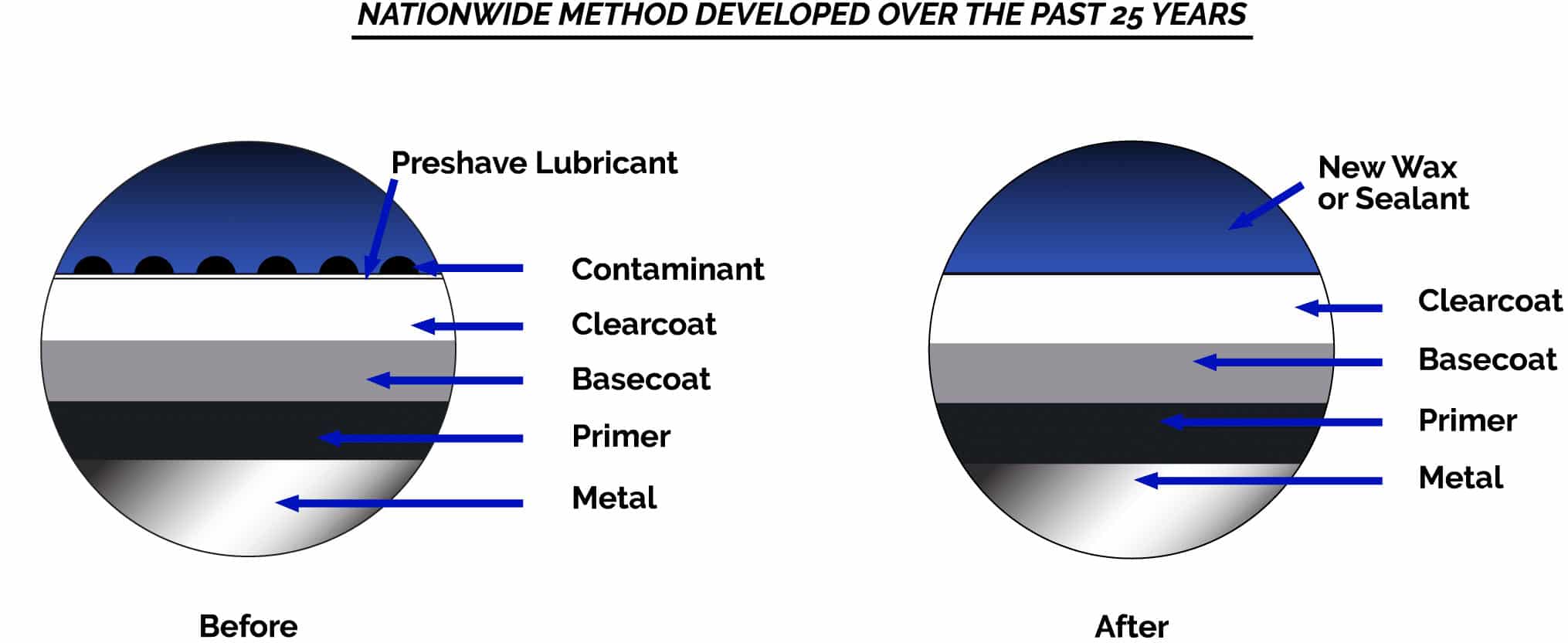
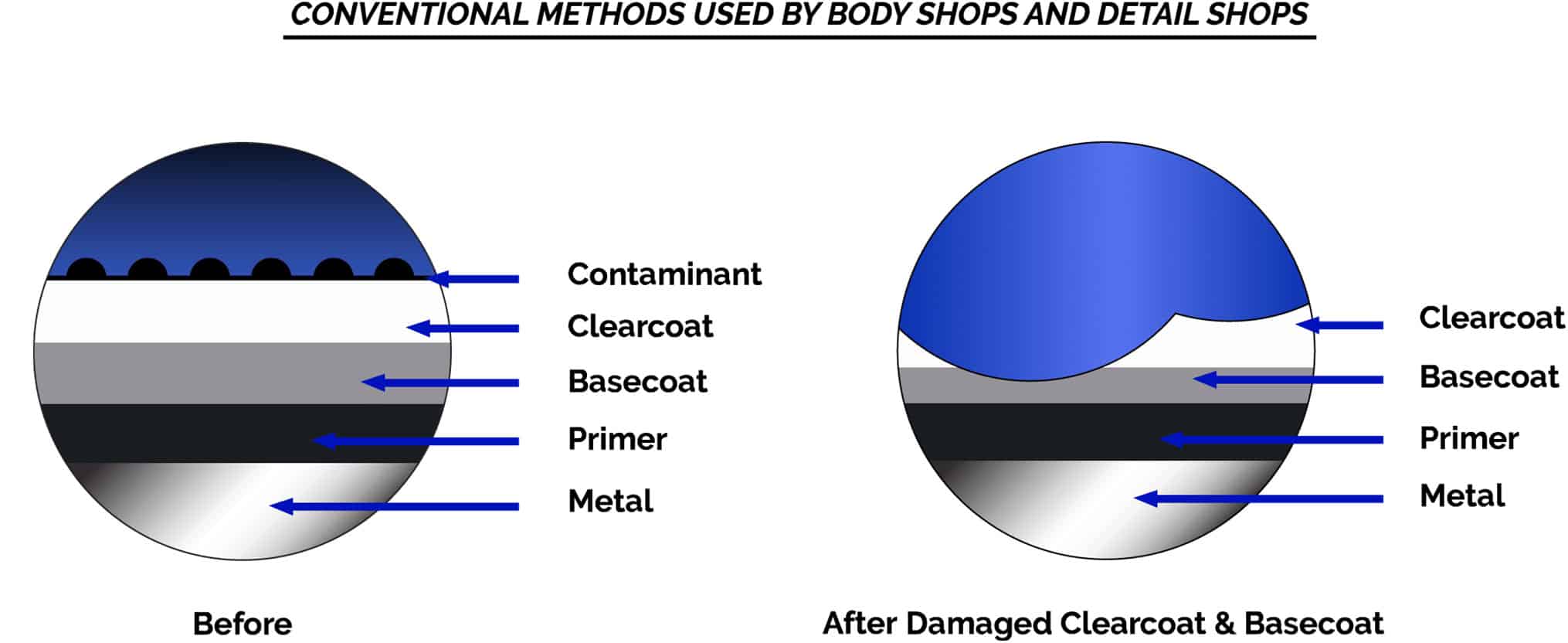

If left untreated, industrial fallout and epoxy can bond to the surface, leading to oxidation and finish degradation. However, professional hand removal can safely restore the surface to its previous condition without damaging the clear coat.
We specialize in cleaning most smooth and semi-smooth plastic trim. While some textured moldings or convertible tops can be “uncleanable” if the damage is severe, we document these as settlement items to simplify the claim.
We help adjusters establish a reserve by verifying “cleanability” on a sample unit, determining a per-vehicle price, and multiplying it by the total floor plan list. This provides an accurate, predictable cost for the entire claim.